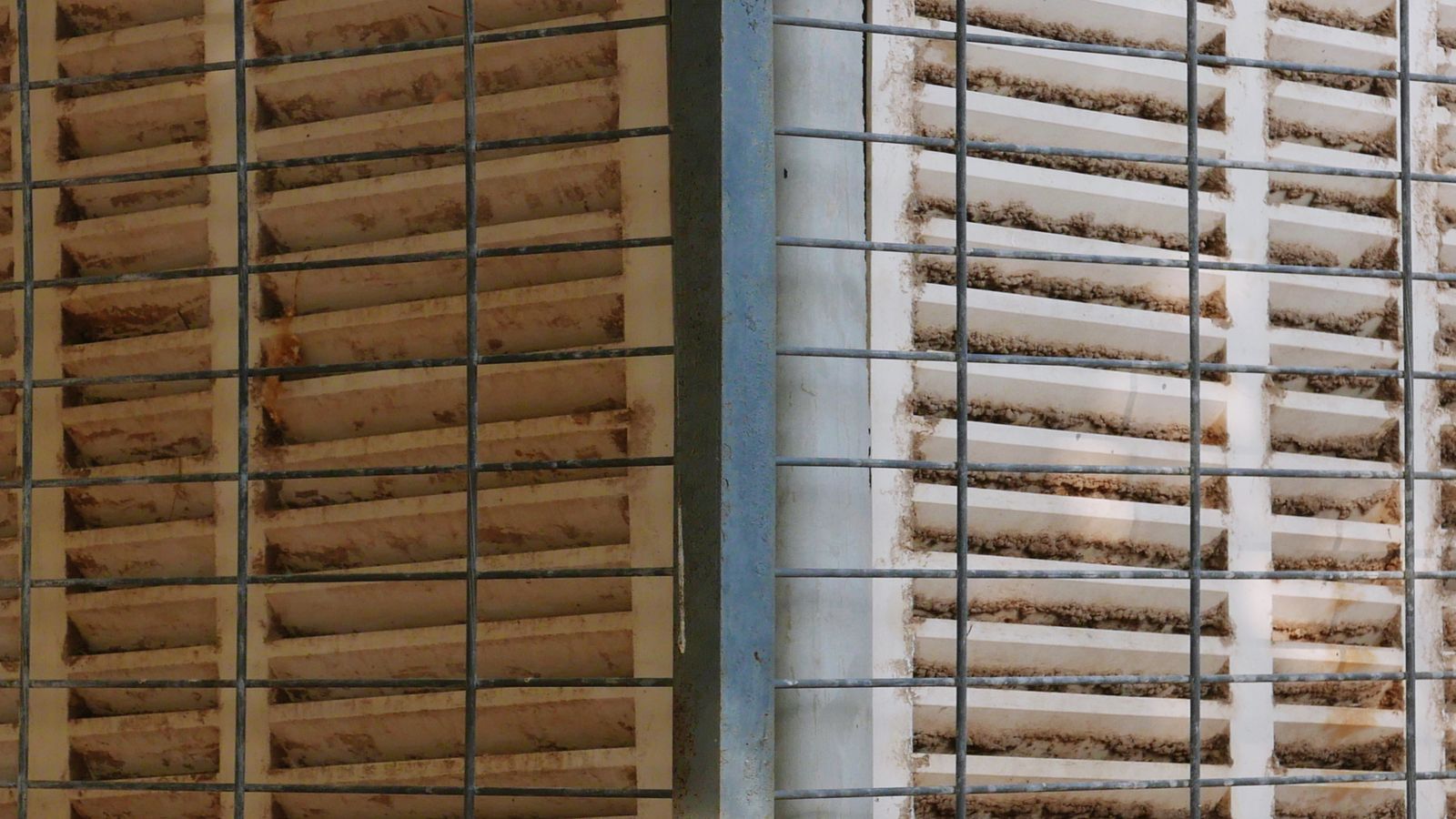
Ventilation, Humidity, and Corrosion: Why Greenhouses Eat Mining Gear and How to Prevent It
Greenhouses are hostile environments for electronics. This is the single most underrated risk in every heat-reuse project I have seen, and it kills more setups than bad thermal calculations or undersized ductwork. A greenhouse is warm, wet, and biologically active. Mining hardware is precision electronics that tolerates none of those things gracefully. Put them too close together without proper environmental separation and you will watch corrosion, condensation, and biological contamination degrade your equipment far faster than the datasheet predicts.
This guide covers the specific environmental threats that greenhouse proximity creates for mining gear, and the practical countermeasures that keep hardware running.
The Humidity Problem
Greenhouses operate at relative humidity levels between 60 and 95 percent, depending on the crop, the season, and the ventilation strategy. Tomatoes and peppers want 65 to 80 percent. Propagation environments with misting run higher. Even a tulip-forcing house with good ventilation sits at 60 to 75 percent.
Mining hardware is designed for data centre environments at 40 to 60 percent relative humidity. Some manufacturers spec a maximum of 95 percent non-condensing, but that is a survival rating, not an operating recommendation. Running electronics at 80 percent humidity continuously accelerates every degradation pathway.
What Humidity Does to Mining Hardware
Connector corrosion. The first visible symptom. Power connectors, fan headers, and hash board edge connectors develop a greenish oxidation layer. This increases electrical resistance, creates intermittent connections, and eventually causes component failure.
PCB surface tracking. At high humidity, microscopic moisture films on the PCB surface create conductive paths between traces that should be isolated. This shows up as erratic hash rate, increased error rates, and in severe cases, short circuits that damage chips.
Fan bearing degradation. Moisture accelerates bearing wear in the cooling fans. You will notice increased fan noise and vibration months before the bearings fail completely. In a greenhouse-adjacent environment, fan life can drop from the typical 18 to 24 months to 8 to 12 months.
Thermal paste degradation. The thermal interface material between chips and heat sinks absorbs moisture over time in humid environments, reducing its thermal conductivity. This leads to higher chip temperatures even when the fans are working normally.
The Condensation Threat
Condensation is humidity's more dangerous cousin. It occurs when warm, moist air contacts a surface below its dew point. In a heat-reuse setup, this happens most commonly in three places:
Inside the duct. When hot dry miner exhaust travels through duct that passes through a cold space, the duct walls can drop below the dew point of the greenhouse air on the other side. Moisture forms on the inside of the duct, drips, and pools.
On the miner itself. If a miner shuts down (power outage, firmware restart, maintenance) and cool humid air from the greenhouse side flows back through the duct, it hits the still-warm-but-cooling heat sinks and can condense. This is the highest-risk condensation scenario because the moisture forms directly on the electronics.
At the mining enclosure boundary. Where the duct penetrates the wall between the mining space and the outside or the greenhouse, the temperature transition creates a condensation zone. This is especially problematic in cold climates where the exterior wall is cold and the interior is warm.
Preventing Condensation
Backflow prevention. Install a gravity-assisted backdraft damper in the duct between the miner and the greenhouse. This prevents humid greenhouse air from flowing back into the mining space when the miner is off. Simple and cheap. Install one.
Duct insulation. Insulate all duct runs that pass through spaces with different temperature zones. Insulation keeps the duct surface above the dew point, preventing external condensation, and keeps the air inside the duct warm enough to avoid internal condensation.
Drain provisions. Even with good insulation and dampers, some condensation may occur. Include drain points (low spots with small drain valves or weep holes) at any potential condensation accumulation point.
Keep the miner space dry. The mining enclosure should be sealed from the greenhouse environment. Air intake for the miner should come from a dry source: outside air in dry conditions, or from a conditioned space. Never draw miner intake air from inside the greenhouse.
Corrosive Off-Gassing
This one catches people by surprise. Greenhouses are not just humid. They contain airborne compounds that actively corrode electronics.
Sulphur compounds. Some growing media, organic fertilisers, and soil amendments release hydrogen sulphide and other sulphur compounds. These react with copper and silver on PCB traces and connectors, forming sulphide tarnish that increases electrical resistance.
Ammonia. Decomposing organic matter, certain fertilisers, and even some plant metabolic processes release ammonia. Ammonia vapour attacks copper and its alloys. In a warm, humid environment, ammonia-driven corrosion can be aggressive.
Chlorine compounds. Tap water used for irrigation often contains chlorine. Evaporation concentrates chlorine compounds in the greenhouse air. Chlorine attacks aluminium heat sinks and zinc-plated components.
Volatile organic compounds. Plants themselves emit VOCs. Most are harmless to electronics, but some, particularly ethylene from ripening fruit, can degrade rubber seals and gaskets in the cooling system over time.
The Separation Principle
The countermeasure is simple in concept: keep the mining hardware in a sealed environment with its own clean air supply. Do not share air between the greenhouse and the mining space.
In practice, this means:
- Sealed mining enclosure with all gaps closed. Use weatherstripping, sealant, and proper duct connections.
- Clean intake air for the miner drawn from outside or from a conditioned space, filtered through at least a basic dust filter.
- One-way heat transfer through the duct. Heat flows from miner to greenhouse. Air should not return.
- Positive pressure in the mining enclosure. If the miner fans draw air in and push it out through the duct, the enclosure stays at slightly positive pressure, preventing greenhouse air from infiltrating through any remaining gaps.
Biological Contamination
Greenhouses are full of life. Seeds, pollen, fungal spores, insect debris, and organic dust are constantly airborne. All of these are harmful to mining hardware.
Pollen and organic dust accumulate on heat sinks, reducing cooling efficiency. Unlike inorganic dust, organic material can hold moisture and provide a substrate for mould growth.
Fungal growth. In warm, humid conditions, fungi colonise any surface that provides moisture and organic nutrients. A dust-coated heat sink in a humid environment is an ideal fungal habitat. Mould growth on electronics is not just a cooling problem; it can trap moisture against components and accelerate corrosion.
Insect infiltration. Small insects are attracted to warm, illuminated spaces. Mining enclosures with LED indicators and warm air exhaust attract moths, flies, and other insects. Dead insects inside the machine block airflow and decompose, contributing to humidity and organic contamination.
Countermeasures
Intake filtration. At minimum, use a coarse mesh filter on the mining enclosure intake to block insects and large debris. For dusty environments, add a replaceable panel filter rated at G4 or better. Check and replace filters monthly during growing season.
Regular cleaning schedule. Blow compressed air through the miner every four to eight weeks. In greenhouse-adjacent environments, this is not optional. Compare it to a data centre environment where cleaning might happen quarterly or less.
Pest management. Keep the mining enclosure sealed. Apply weatherstripping around access panels. If insect intrusion is persistent, a fine mesh screen (1mm or less) on intake and exhaust ports is effective.
Environmental Monitoring
For any heat-reuse installation adjacent to a greenhouse, monitoring is strongly recommended. You do not need an expensive industrial system. A few inexpensive sensors connected to a simple logger give you early warning of problems.
Monitor:
- Temperature and humidity inside the mining enclosure
- Temperature and humidity inside the duct at the greenhouse entry point
- Miner intake and exhaust temperature (most mining firmware reports this)
Alert thresholds:
- Enclosure humidity above 70 percent: investigate air leak or infiltration
- Duct humidity above 90 percent: condensation risk, check insulation and dampers
- Miner intake temperature above 40 degrees C: check intake air source
Inexpensive Wi-Fi temperature and humidity sensors (DHT22-based or similar) cost 5 to 15 euros each and can log data to a phone app or simple web dashboard. The investment is trivial compared to the cost of replacing a corroded hash board.
Material Selection for the Mining Enclosure
Not all building materials tolerate greenhouse-adjacent conditions equally:
- Treated timber: Avoid in humid environments. Treated wood off-gasses preservative compounds that can corrode electronics.
- Marine-grade plywood: Better. Resistant to moisture swelling and does not off-gas significantly.
- Aluminium sheet: Good for enclosure walls. Corrosion-resistant, easy to clean, reflects heat.
- Polycarbonate panels: Excellent moisture resistance. Useful for access panels where you want visibility.
- Steel: Adequate if painted or galvanised. Bare steel corrodes in humid environments.
- Concrete block: Good thermal mass and moisture resistance, but heavy and permanent.
Avoid insulation materials that trap moisture (open-cell foam). Use closed-cell foam or foil-faced mineral wool.
The 30-Second Checklist
Before commissioning a heat-reuse system near a greenhouse:
- Mining enclosure is sealed from greenhouse air
- Miner intake draws from a clean, dry source
- Backdraft damper installed in the duct
- All duct runs through cold spaces are insulated
- Drain provisions at duct low points
- Intake filter installed and cleaning schedule set
- Temperature and humidity monitoring in place
- No shared air path between greenhouse and mining space
- Enclosure materials are moisture-resistant
- Cleaning schedule documented and followed
If any of these are missing, address them before you lose a hash board to corrosion. It is cheaper to prevent than to repair.
For duct layout guidance, see Bitcoin Mining Greenhouse Heating in 2026. For the broader equipment context, see the ASIC Heat Output Table.