What Customers Ask When Paying in Bitcoin in 2026: The Answers That Actually Close the Sale
We published our first collection of customer questions in 2025, based on what people actually asked when buying flowers with Bitcoin from our shop. This is the 2026 update. Some of the questions are the same. Some are new. The answers have all been refined by another year of conversations across the counter.
The questions are listed roughly in the order they tend to appear during a transaction, from initial curiosity through to post-payment follow-up.
Before the Transaction
"Do you actually accept Bitcoin, or is this just marketing?"
This question has not gone away. A surprising number of businesses display Bitcoin-accepted logos but have never completed a transaction, or their payment system is broken, or they stopped accepting it months ago and never removed the sign.
What works: "Yes, we process Bitcoin payments every week. Would you like to try it? It takes about thirty seconds." Then show them. Confidence and speed matter more than explanation.
"Is it the same price as paying in euros?"
What works: "Same price. The checkout shows the euro amount and the Bitcoin equivalent. You pay the Bitcoin amount and we handle the conversion."
We used to explain exchange rates and price-lock windows. Nobody cares. They want to know the tulips cost 35 euros regardless of how they pay. Confirm that and move on.
"Do I need a special app?"
What works: "Any Bitcoin wallet works. If you already have one on your phone, that's all you need."
If they do not have a wallet, this is not the moment to help them set one up (unless there is genuinely no queue and they are interested). A customer who does not have a wallet yet will almost always pay with a card today and come back with a wallet next time. That is fine. Forced conversions create bad experiences.
"What about Lightning? Do you take that?"
This question barely existed in our 2025 notes. In 2026 it comes up regularly, usually from customers who already know what they are doing.
What works: "Yes, Lightning and on-chain. The QR code at checkout works with both." For the payment setup details, see our accept Bitcoin payments guide.
During the Transaction
"How long does this take?"
What works for Lightning: "It is already done." Lightning payments confirm faster than card tap-to-pay. By the time the customer looks up from their phone, the payment is confirmed. This is the most effective demonstration of Bitcoin payment practicality there is.
What works for on-chain: "The payment is sent. For an order like this, we don't need to wait for full confirmation. I'll wrap your flowers." For small in-person transactions, zero-confirmation acceptance for on-chain payments is a reasonable operational choice. The fraud risk on a 35-euro bouquet with a visible customer standing in front of you is negligible.
"It is asking me for a fee. Is that normal?"
What works: "That's the network fee from your wallet, not from us. It goes to the network, not to our shop. On Lightning it is usually less than a cent."
Some customers see the wallet's network fee and assume you are charging them extra. Clarify briefly and without defensiveness. If they are using an on-chain transaction and the fee seems high, you can mention that Lightning is cheaper for small amounts.
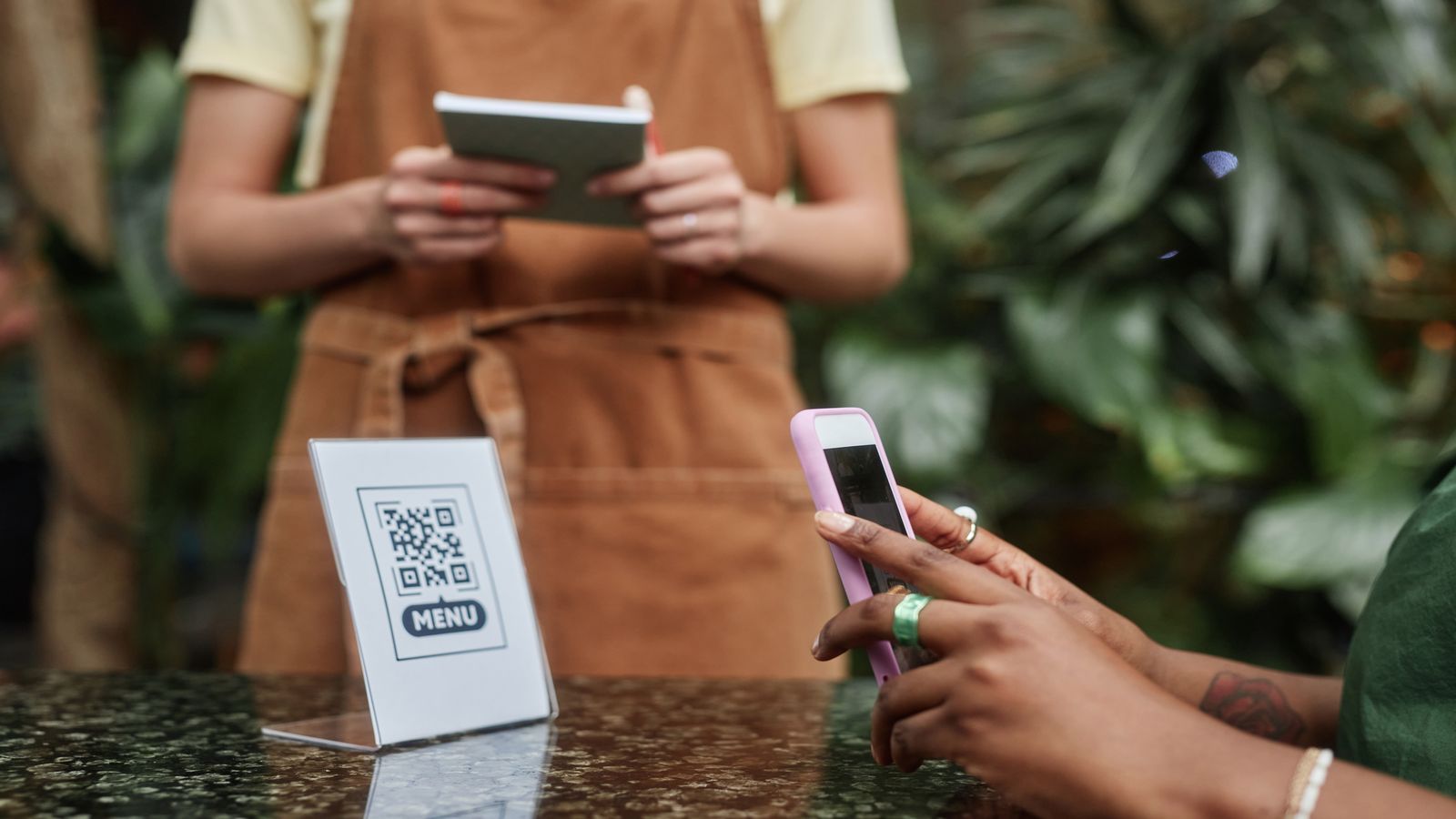
"The QR code is not scanning."
This still happens. Common causes:
- Screen brightness too low (especially outdoors at a market stall)
- Camera permission not granted for the wallet app
- Wallet app needs updating
- The customer is trying to scan with their phone camera rather than the wallet's scanner
What works: Stay calm. "Try opening your wallet app and using the scan button inside the app rather than your phone's camera." If that fails, offer to display the payment address as text so they can paste it. Have a backup plan.
"I accidentally sent the wrong amount."
Rare but it happens, usually when a customer manually enters an amount rather than using the invoice QR.
What works: "Let me check what we received." Look at the BTCPay invoice status. If they underpaid, BTCPay will show a partial payment and you can ask them to send the remainder. If they overpaid, note it and process a refund for the difference. See Refunds Without Chargebacks for the mechanics.
After the Transaction
"Do I get a receipt?"
What works: "Yes, I'll email you one." Or, for in-person transactions: "Here's your receipt. The Bitcoin transaction ID is on there too, so you have proof of payment on the blockchain."
Including the transaction ID on receipts is a small operational detail that builds trust. It shows you take the payment seriously and the customer has an independent, verifiable record. For your own records, this also supports your accounting process.
"What if the price of Bitcoin goes up after I paid? Did I overpay?"
This is the spending-regret question. It comes up less often than you might expect, but when it does, it needs a genuine answer.
What works: "You paid the price of the tulips. Whether Bitcoin goes up or down after that is the same as whether the euros in your bank account would have earned interest. You bought flowers, not a financial position."
Do not get drawn into a conversation about Bitcoin as an investment. You are a merchant, not a financial advisor. The customer bought a product at a price they agreed to. That is the transaction.
"Can I get a refund in Bitcoin?"
What works: "Yes, if you need a refund we process it back in Bitcoin. I'll need a Bitcoin address or Lightning invoice from you."
This is straightforward if you have a refund process in place. If you do not, set one up before you need it. The worst time to figure out Bitcoin refund mechanics is when an unhappy customer is standing in front of you.
"What happens if something goes wrong with my order?"
What works: "Same as any order. If there's a problem, contact us and we'll sort it out. Bitcoin payments don't change our customer service."
The underlying anxiety is that paying in Bitcoin removes their consumer protections. For a small merchant, your customer service is the protection, same as it is for cash transactions. Reassure them that the payment method does not affect how you handle problems.
Questions That Are New in 2026
"Can I pay with my exchange app directly?"
More customers now use exchange apps (Coinbase, Kraken, Strike, etc.) rather than self-custody wallets for payments. The answer depends on the app, but most major exchange apps can scan Lightning invoices and Bitcoin addresses.
What works: "Most exchange apps work. Open the send or pay screen in your app and scan the QR code." If it does not work, it is usually because the exchange app does not support Lightning. Suggest they try the on-chain option.
"Is this on Lightning or on-chain?"
Customers are distinguishing between the two more often now. This is a sign of maturing adoption.
What works: "The QR code works with both. Your wallet will choose the right one." With BTCPay Server's unified QR codes, this is handled automatically in most cases.
"Do you keep the Bitcoin or convert it?"
Some customers care about this. They want to support merchants who hold Bitcoin rather than converting immediately.
What works: Answer honestly, whatever your policy is. "We hold some and convert some to cover costs." Or: "We convert to euros for operating expenses." Customers appreciate honesty more than a performative Bitcoin-maximalist stance.
Patterns We Have Noticed
The questions are getting more specific. In 2025, most questions were about whether Bitcoin payments worked at all. In 2026, they are about Lightning versus on-chain, fee levels, and refund processes. The baseline understanding has shifted.
Repeat customers stop asking questions. After the first successful transaction, the payment becomes routine. The second purchase is almost always faster and question-free. This is worth knowing because it means the investment in answering first-transaction questions pays off in frictionless repeat business.
The most effective sales closer is speed. When a customer sees a Lightning payment confirm in under two seconds, the theoretical questions evaporate. They just saw it work. No amount of explanation matches that demonstration.
For the payment setup behind these interactions, see How to Accept Bitcoin Payments. For seasonal product considerations, see Selling Seasonal Products for Bitcoin.